SolarBuddy – Illuminating Futures

What is Energy Poverty?

What are the effects of energy poverty?

Without access to safe and reliable energy, children and their families are plunged into total darkness every night. This is devastatingly limiting for their education, damaging to their health and wellbeing, and detrimental to the environment we all share.

Over 660 million people, almost 10% of the world’s population live in energy poverty, meaning they have little to no access to energy.*

The Energy Poverty Problem

According to the World Economic Forum’s Energy Poverty Action Initiative.

Access to energy is fundamental to improving quality of life and is a key imperative for economic development.

Without reliable energy, many facets of human life are impacted.

The four pillars of Energy Poverty

Education

Without safe and reliable lighting, children cannot study after dusk.

Health

Using solid fuels and kerosene for energy contributes to indoor air pollution which causes over 3.2 million deaths annually.

Environment

Fuel based lighting leads to the emissions of roughly 190 million tonnes of CO2 per year.

Livelihoods

Millions of people spend up to 40% of their income on kerosene lamps.

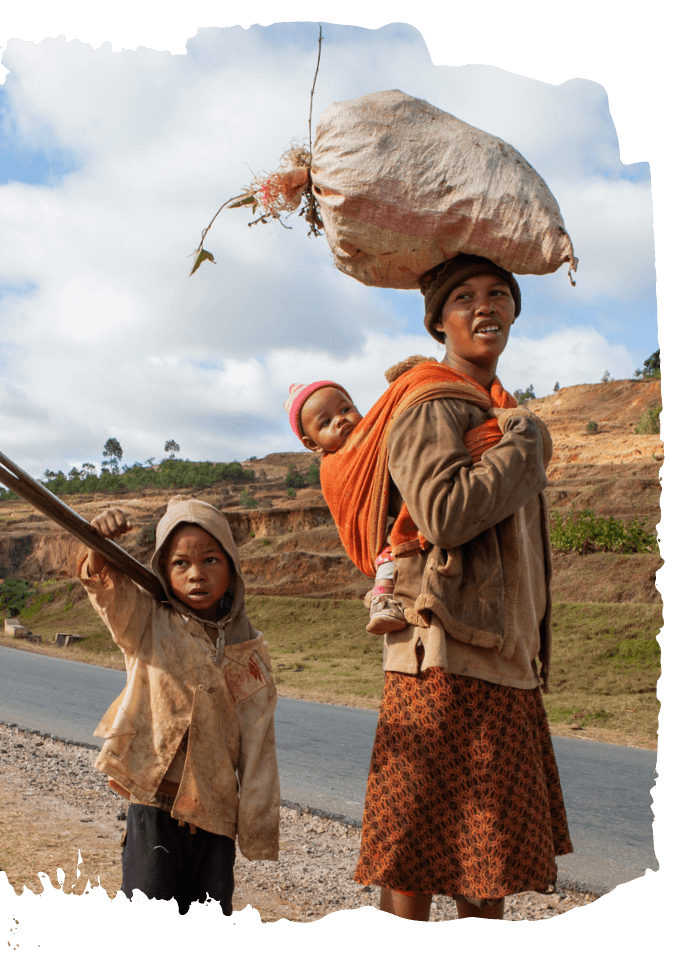
Image: SolarBuddy, Mother and children, Madagascar 2018

How energy poverty effects women and children

Among energy poverty affected communities, there is a lack of emphasis on girls’ education, and a heightened emphasis on their contribution to domestic duties needed to fulfil basic necessities, like collection of fuelwoods for lighting. This gender division disproportionately effects girls’ opportunities to gain access to an education that can mean the difference between breaking the poverty cycle or being trapped in it.

Of the 3.2 million people who die each year from illnesses caused by exposure to toxic sources of light, a staggering 500,000 are children under 5 years old
- WORLD HEALTH ORGANISATION

These are deaths that could be prevented through simple yet innovative solutions, such as the provision of solar energy. Due to being younger and less developed, children are at much greater risk of developing allergies and cancerous diseases from indoor air pollutants (World Allergy Organisation Journal).

As women are more likely to be completing domestic duties inside the home, they are more exposed to the health risks of energy poverty. Mothers who are exposed to pollutants such as black carbon are at higher risk of delivering babies born with abnormal lung functions and asthma (National Center for Biotechnology Information). Energy poverty is putting babies at a disadvantage before they are even born.

Black Carbon

Approximately 51% of the world’s black carbon emissions emerge from household energy, primarily from the unsafe cooking and lighting fuels used by those experiencing energy poverty (Climate & Clean Air Coalition).

But what is black carbon?

Black carbon is a powerful climate pollutant released through the burning of fuels like kerosene, charcoal, and wood fuels still widely used by families living in energy poverty.

It absorbs sunlight, accelerates climate change, and contributes to serious health issues by polluting the air in homes and communities.

CO2 Warming Effect

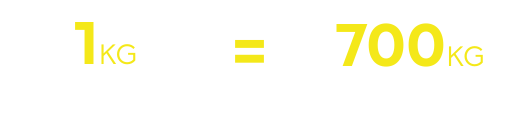
One kilogram of black carbon has the same warming effect as 700 kilograms of CO2 circulating in the atmosphere for 100 years (Illinois News Bureau). This means that in as little as two weeks, one kilogram of black carbon produces roughly the same amount of emissions released by 15 cars over an entire year.

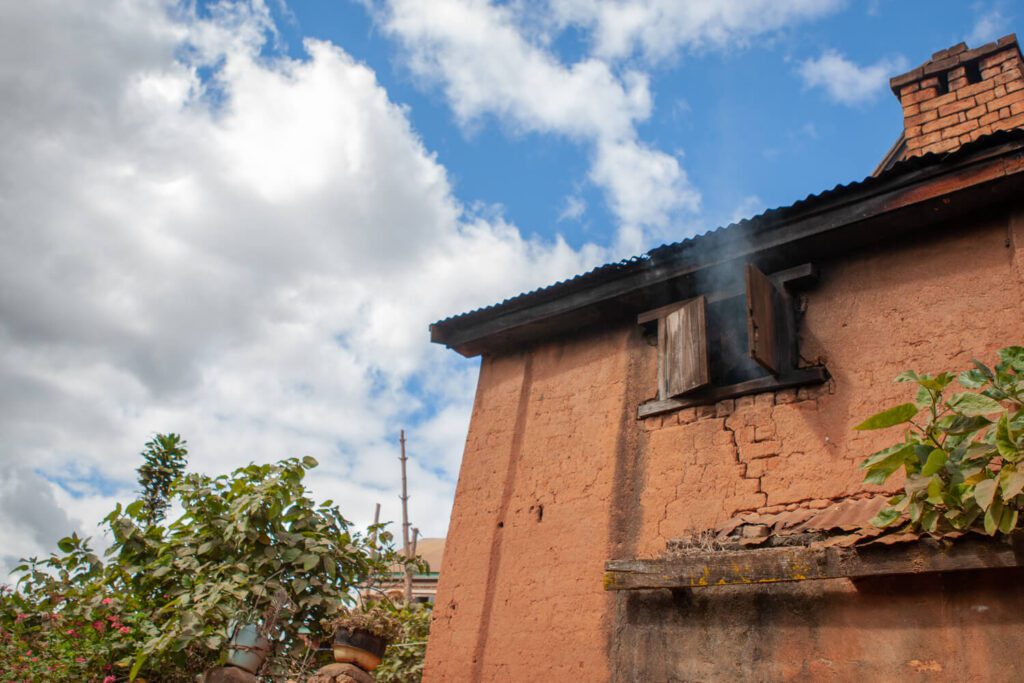
Black Carbon from a house in Madagascar

Image: SolarBuddy – Madagascar, Black Carbon

Our work & impact

SolarBuddy is creating awareness of the issues that surround energy poverty and providing innovative, sustainable solutions to illuminate the lives of children living in energy poverty.

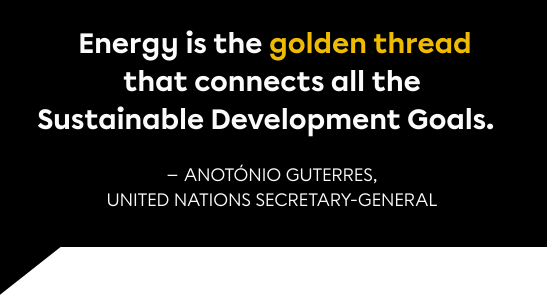
We are focused on our three core areas of education, sustainable innovation and connecting communities through safe and reliable sources of energy. We align our work to key United Nations Sustainable Development Goals, because “energy is the golden thread that connects all the Sustainable Development Goals.” – United Nations Secretary-General Anotónio Guterres.

Education is core to the solution. Education helps to build awareness of the issues surrounding energy poverty and is the most important factor in creating equitable opportunities for a child. We’ve created immersive STEM school programs and informative corporate event programs, to help spread the word in unique and engaging ways about the impacts of energy poverty.  

Sustainable innovation shapes our solutions. We design with people as our focus, ensuring that everything we create is simple, socially impactful, environmentally sustainable and makes a difference for a decade not a day.  Our physical products provide a tangible solution to the problem of extreme energy poverty.   

Connected communities are joined at the heart and united by need. When we share ownership of the problem, we lighten the load. The more hearts who join us, through donations, support and advocacy, the more positive outcomes we can create.  

*Data from United Nations 2025

Support our programs

"*" indicates required fields

This field is for validation purposes and should be left unchanged.
Name*