
Southeast Asia Program
About this program
The Southeast Asia Program distributes solar solutions and delivers education and livelihood programs designed to strengthen education, health, livelihood opportunities, and environmental outcomes.
Energy poverty remains a pressing issue across Southeast Asia – especially in remote, rural, and island communities where grid access is limited, unreliable, or simply unaffordable. Even in areas where electricity is available, many families continue to face energy insecurity, relying on costly, unsafe alternatives like kerosene, candles, or open fires – or going without power altogether.
In Lao, households spend up to one-third of their income on energy. This financial burden places enormous strain on daily life, reducing the ability to invest in food, education, or healthcare
Without access to clean, consistent energy, children struggle to safely study after dark, clinics can’t refrigerate vaccines, and small businesses can’t operate into the evening. At the same time, overreliance on polluting fuels continues to harm both human health and the environment -contributing to household air pollution, deforestation, and carbon emissions.
Our programs focus on core aspects:
- Education – access to lighting to study after dark, and STEM education programs
- Health & Wellbeing – reduced health & safety risk in homes, and safer community environments, especially for women and girls.
- Livelihoods – lower costs on fuel, improve income opportunities, and ability to prepare for the future.
- Environment – reduce emissions from toxic fuel sources, strengthen community capacity for climate adaptation, and preservation of environment for future generations.
Distributions in Southeast Asia
Education
Energy poverty has a profound impact on access to quality education. Without light after dark, students struggle to read, complete homework, or study safely, making it difficult to keep pace with their peers. This contributes to lower literacy levels, reduced learning outcomes, and increased absenteeism, especially when children must spend hours each day collecting fuel for basic household needs.
In many communities across Southeast Asia, children rely on kerosene lamps or candles – both hazardous and insufficient. These sources emit toxic fumes, pose serious fire risks, and impose ongoing financial burdens on families. When fuel is scarce or unaffordable, women and children may spend up to 40 hours a week gathering alternatives, leaving little time for education, rest, or economic participation. In regions where homes are only accessible by boat, access to lighting sources is very limited.
The classroom is impacted too. Schools without electricity face challenges delivering quality education. Teachers may be unable to prepare lessons, mark homework, or use modern teaching tools. Without energy, education systems cannot function effectively, and students cannot access the resources they need to thrive.
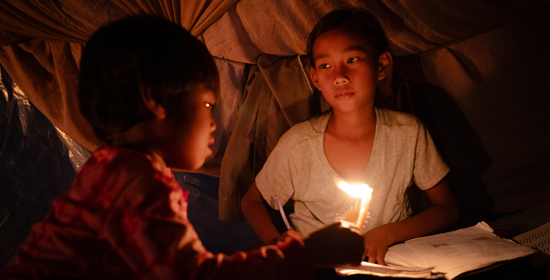
SolarBuddy’s education programs in Southeast Asia, we aim to break this cycle. By providing safe, sustainable solar lights and access to engaging STEM workshops, we’re helping students and schools shine – unlocking brighter, more equitable futures through the power of clean energy.
Health & Wellbeing
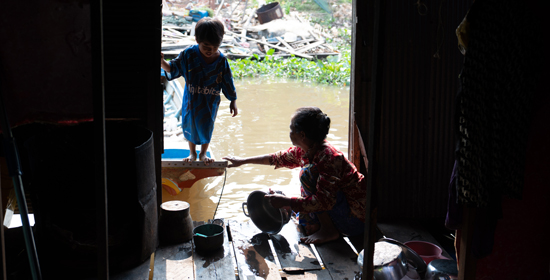
In communities across Southeast Asia, millions of families still rely on polluting fuels like kerosene, charcoal, and firewood for cooking and lighting. This not only places a significant financial burden on households but also exposes women and children to dangerous indoor air pollution, leading to serious health issues such as respiratory illness and burns.
For many, the daily search for fuel takes hours—time that could be spent learning, earning, or resting. Healthcare clinics are also affected, with limited or no electricity making it difficult to store vaccines or provide care after dark.
At SolarBuddy, we’re working to change this. By delivering clean, reliable solar energy solutions, we help reduce fuel dependency, protect health, and build stronger, more resilient futures for communities across Southeast Asia.
Livelihoods
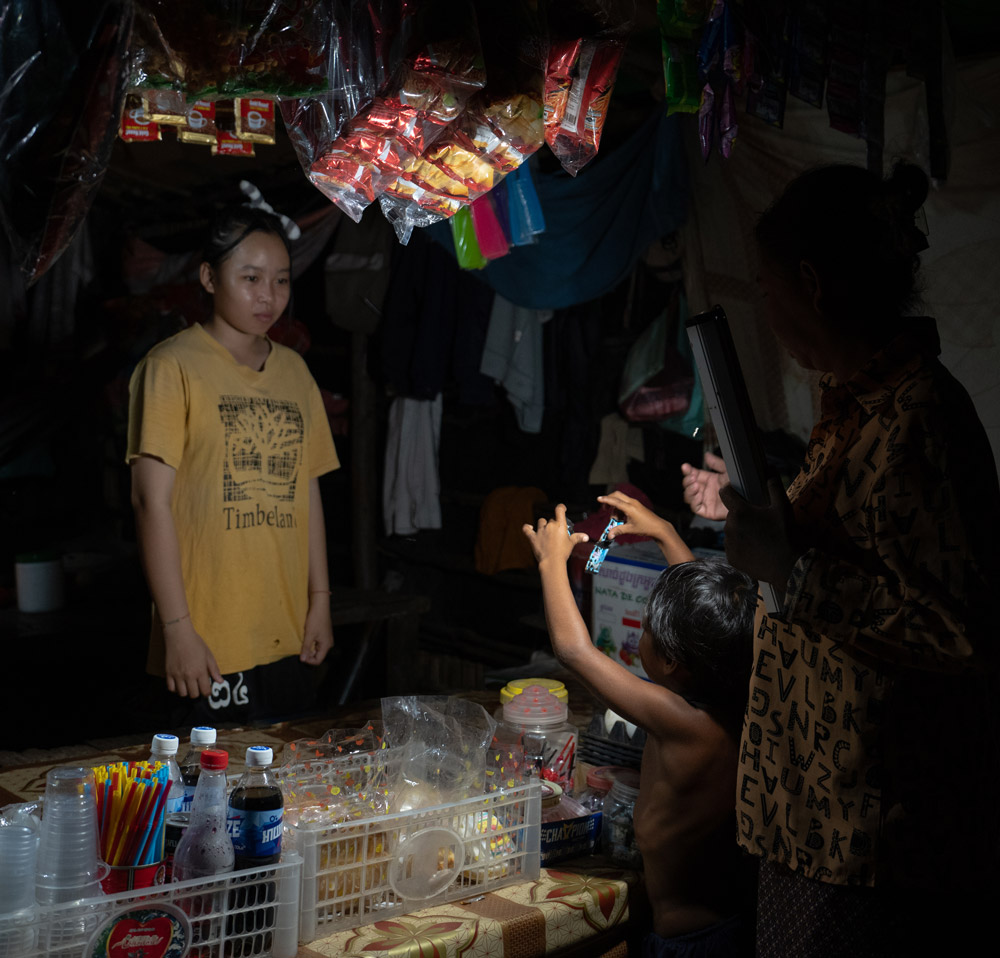
In the absence of reliable energy, families spend a significant portion of their household income on fuel to perform basic tasks. This ongoing expense limits household finances and reduces the ability to invest in food, education, healthcare, or income-generating activities.
Beyond the financial burden, the time spent collecting fuel, sometimes up to 40 hours per week, further limits opportunities for education, employment, and economic advancement, particularly for women and girls. It restricts household productivity, making it difficult to operate micro businesses, access digital tools, or work into the night.
Energy poverty restricts both day-to-day living and long-term economic opportunities, and at a broader level, slows economic development, limits opportunities and reinforces cycles of poverty within communities.
Environment
In many areas, limited access to reliable energy forces families to depend on non-renewable fuel sources such as firewood, charcoal, and kerosene for everyday needs like cooking and lighting. These polluting fuels not only contribute to harmful household air pollution but also play a significant role in accelerating climate change.
When these fuels are burned, especially in inefficient stoves or open fires, they release black carbon, carbon dioxide, and carbon monoxide – potent greenhouse gases that further intensify global warming.
Help support Southeast Asia Communities
Many Southeast Asian countries such as Cambodia & Timor-Leste face challenges when it comes to energy access. These are often intensified by the growing pressures of climate change, which can damage homes, displace families, and disrupt vital community services.
Access to clean, reliable, and affordable energy empowers communities to continue their children’s education, safeguard health, unlock economic opportunities, and build resilience for a brighter, more sustainable future.
Case Study: Ouen Family
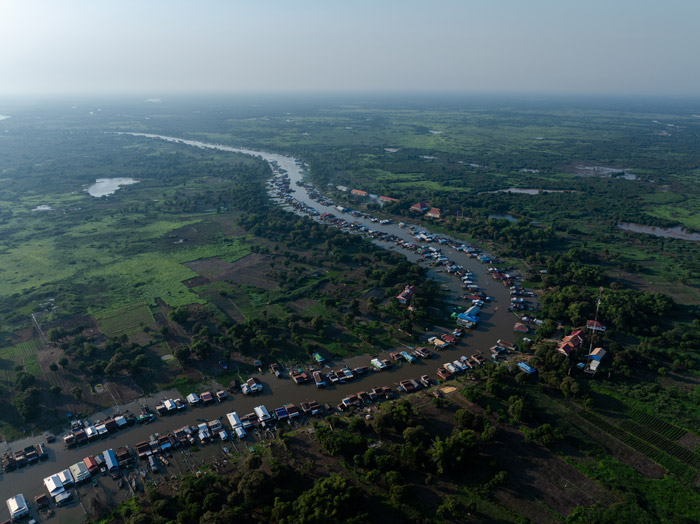
In the floating village of Chong Kneas on Cambodia’s Tonlé Sap Lake, the Ouen family navigates daily challenges shaped by seasonal floods, drought, and limited resources.
Sok Neun, 44, and her husband, Kong Sam Ouen, 52, support their family of 8 through fishing and tending a chilli farm. Their income depends on weather, harvests, and daily labour.
“Each person earns $5 USD a day. Families with more members can earn more overall” – Oem Koen Eang, First Assistant Community Chief
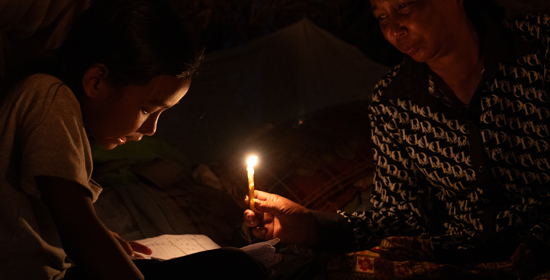
Sok Neun lives with diabetes and hepatitis, illnesses she cannot afford to treat. Despite these challenges, her greatest wish is for her children to learn.
“Only knowledge lasts a lifetime,” she says.
“Knowledge cannot be stolen, but money can easily be taken away.”
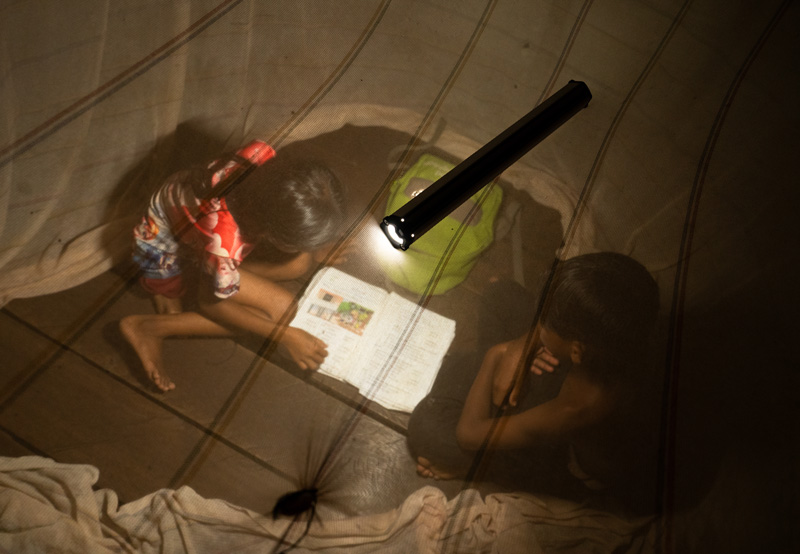
In March 2025, the Ouen family received a StudentBuddy solar device, complementing the JuniorBuddy they already owned. These devices have transformed their daily life in practical ways:
Their children can read and study after dark, helping them stay engaged in school.
The family can cook, clean, and share meals safely.
They can move more confidently around the village and travel by boat at night.
With safe, renewable solar solutions, the Ouen family has gained greater stability and peace of mind.
In their village, schooling is only available up to Grade 9 and continuing beyond that requires families to send their children to Battambang or Siem Reap.
For the Ouen family, the cost of doing so was out of reach for their 3 eldest children. Having reliable solar devices at home now gives their younger children a better chance to succeed in school and prepare for further studies if opportunities arise.
Meet the Ouen Family.
Watch and learn how their life is shaped by nature and challenged by the lack of safe, reliable, and affordable electricity access.
Why Partner with SolarBuddy?
1. Proven Track Record of Success: Our impactful partnerships with leading organisations like Accenture, Atlassian, Airbus, Goldman Sachs, and Volvo have delivered tangible results. Join this elite group of changemakers and help us illuminate more futures together.
2. Aligned with UN SDGs: Our initiatives support multiple UN Sustainable Development Goals, ensuring your contributions align with global sustainability efforts.
3. Innovative Human-Centered Design: Our innovations are built around the needs and insights of the communities we serve. This ensures our solutions are not only sustainable and impactful but also truly resonate with those they are intended to help.

