
Sub-Saharan Africa
About this program
The Sub-Saharan Africa Program distributes solar solutions and delivers education and livelihood programs to strengthen education, health, economic opportunities and environmental outcomes for communities across the region.
Sub-Saharan Africa faces the highest concentration of energy poverty in the world, with over 565 million people living without access to electricity. Among the 20 countries most affected, 18 are in this region. Without reliable energy, millions of children struggle to study after dark, limiting their ability to learn, complete homework, and reach their full potential.
SolarBuddy’s in-country program in Sub-Saharan Africa aims to break this cycle by providing clean, sustainable solar light—supporting students, teachers, and entire communities to improve learning outcomes, health, and long-term opportunities through safe, accessible energy.
Our programs focus on core aspects:
- Education – access to lighting to study after dark, and STEM education programs
- Health & Wellbeing – reduced health & safety risk in homes, and safer community environments, especially for women and girls.
- Livelihoods – lower costs on fuel, improve income opportunities, and ability to prepare for the future.
- Environment – reduce emissions from toxic fuel sources, strengthen community capacity for climate adaptation, and preservation of environment for future generations.
Distributions in Sub-Saharan Africa
Education
Energy poverty has a profound impact on access to quality education—particularly in Sub-Saharan Africa, where millions of children live without reliable electricity. Without light after dark, students struggle to read, complete homework, or study safely, making it difficult to keep pace with their peers. This contributes to lower literacy levels, reduced learning outcomes, and increased absenteeism, especially when children must spend hours each day collecting fuel for basic household needs.
In many communities across Sub-Saharan Africa, children rely on kerosene lamps or candles – both hazardous and insufficient. These sources emit toxic fumes, pose serious fire risks, and impose ongoing financial burdens on families. When fuel is scarce or unaffordable, women and children may spend up to 40 hours a week gathering alternatives, leaving little time for education, rest, or economic participation.
The classroom is impacted too. Without electricity, teachers are unable to prepare lessons, use digital tools, or fully support their students. Many children also miss out on valuable opportunities like STEM education workshops – hands-on learning experiences that spark curiosity and build skills for the future.
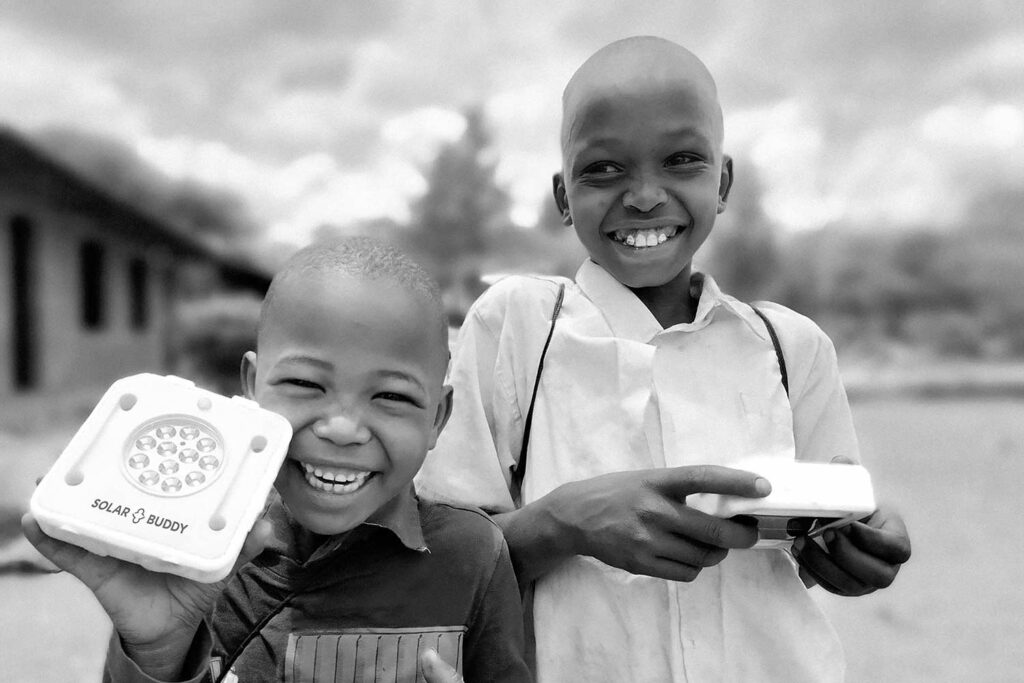
SolarBuddy’s education programs in Sub-Saharan Africa aim to break this cycle. By providing safe, sustainable solar lights and access to engaging STEM workshops, we’re helping students and schools shine – unlocking brighter, more equitable futures through the power of clean energy.
Health & Wellbeing
Across Sub-Saharan Africa, millions of households live with severe energy insecurity, relying on polluting fuels such as kerosene, diesel, wood, and charcoal for cooking, heating, and lighting. This dependence places a significant financial burden on families and exposes women and children to dangerous levels of household air pollution. Burning these fuels in enclosed spaces releases black carbon. This contributes to respiratory illnesses, burns, and life-threatening noncommunicable diseases.
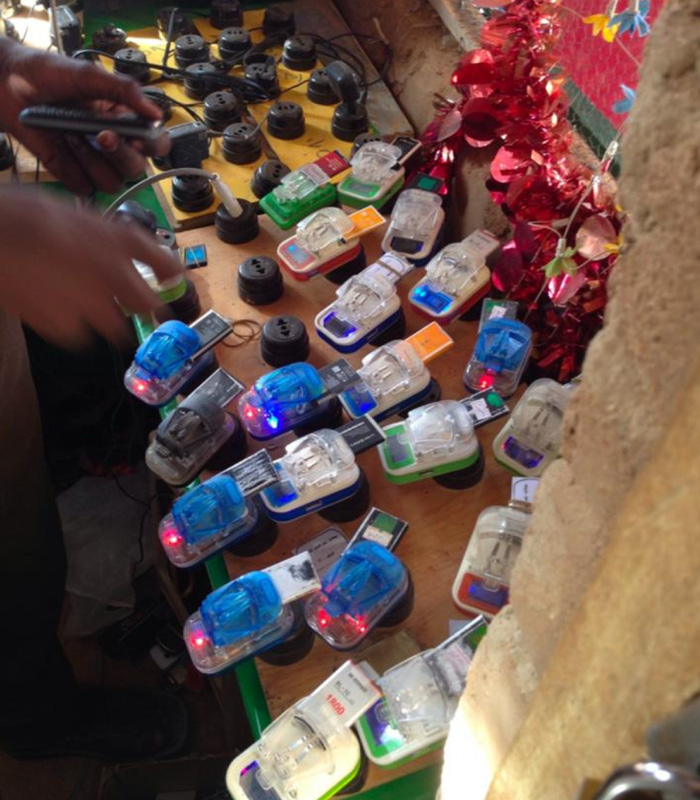
Globally, over 2.1 billion people still cook using open fires or inefficient stoves, and in Sub-Saharan Africa, this remains an everyday reality for many communities. Children and women are disproportionately affected, often spending hours each day collecting firewood or walking long distances to access fuel or charge mobile phones – time that could otherwise be spent learning, working, or resting. This daily energy burden contributes to physical exhaustion, limits educational opportunities, and increases vulnerability to injury or exploitation.
Sadly, household air pollution causes 3.2 million premature deaths each year, including over 500,000 children under the age of five. It is the second leading cause of death for this age group after malnutrition.
There are many region’s healthcare systems that also suffer. Many clinics lack reliable electricity, making it difficult to store vaccines, power essential medical equipment, or provide safe care—especially after dark. Without clean, dependable energy, healthcare facilities cannot meet even the most basic needs of the communities they serve.
At SolarBuddy, we’re working to break this cycle. By providing safe, sustainable solar energy solutions, we help reduce harmful fuel dependency, improve health outcomes, and support brighter, more resilient futures for children, families, and communities across Sub-Saharan Africa.
Livelihoods
In the absence of reliable energy, families spend a significant portion of their household income on fuel to perform basic tasks.
This ongoing expense limits household finances and reduces the ability to invest in food, education, healthcare, or income-generating activities. Beyond the financial burden, the time spent collecting fuel, sometimes up to 40 hours per week, further limits opportunities for education, employment, and economic advancement, particularly for women and girls. It restricts household productivity, making it difficult to operate micro businesses, access digital tools, or work into the night.
Energy poverty restricts both day-to-day living and long-term economic opportunities, and at a broader level, slows economic development, limits opportunities and reinforces cycles of poverty within communities.
Environment
In many areas, limited access to reliable energy forces families to depend on non-renewable fuel sources such as firewood, charcoal, and kerosene for everyday needs like cooking and lighting. These polluting fuels not only contribute to harmful household air pollution but also play a significant role in accelerating climate change.
When these fuels are burned, especially in inefficient stoves or open fires, they release black carbon, carbon dioxide, and carbon monoxide – potent greenhouse gases that further intensify global warming.
Help support Sub-Saharan Africa communities
Many countries such as Uganda, Zimbabwe & Tanzania face similar challenges when it comes to energy access. These are often intensified by the growing pressures of access and cost-effective solutions that last.
Access to clean, reliable, and affordable energy empowers communities to continue their children’s education, safeguard health, unlock economic opportunities, and build resilience for a brighter, more sustainable future.
Case Study: Maternal Care Birthing Kits
In Zimbabwe, access to healthcare is often limited by distance, availability, and electricity. Local hospitals can be closed outside of regular hours, and frequent power outages disrupt emergency services, making timely, safe delivery difficult for expectant mothers.
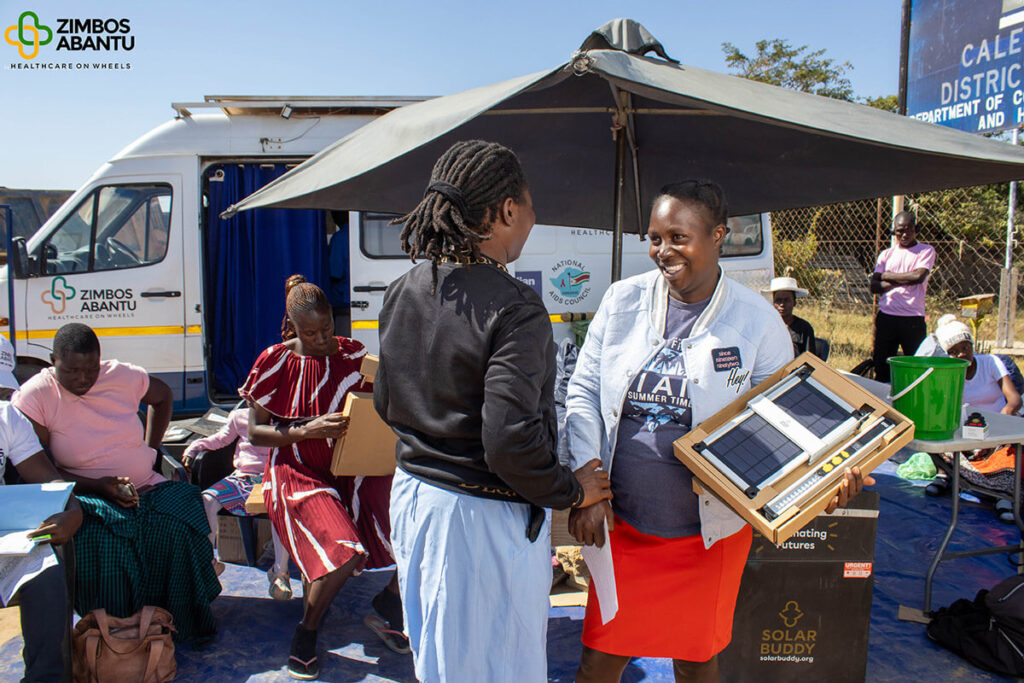
ZimbosAbantu Healthcare on Wheels, a social enterprise and trusted SolarBuddy distribution partner, operates mobile clinics to improve access and bridge the gap in public health delivery. Their work supports women through prenatal care and childbirth, and has included StudentBuddy devices within birthing kits.
To address this, SolarBuddy’s StudentBuddy solar devices were integrated into maternal care kits, equipping mothers with clean, portable light sources. These are used during deliveries to ensure both the comfort and safety of mothers and healthcare workers.
“We’re encouraging these women to include solar birthing lights within their birthing kits so that they can be as comfortable as possible,” said Tawanda.
In October 2024, one StudentBuddy device helped illuminate the safe delivery of a baby boy during an emergency at a mobile clinic in Ushewokunze, an informal settlement on the outskirts of Harare.
The StudentBuddy devices not only support mothers and healthcare workers during childbirth, but also help new parents care for their newborns safely after dark.
For mother Millicent, she shares, “the light helps me check on the baby at night, it also helps me see when I need to feed the baby in the dark.”

Why Partner with SolarBuddy?
1. Proven Track Record of Success: Our impactful partnerships with leading organisations like Accenture, Atlassian, Airbus, Goldman Sachs, and Volvo have delivered tangible results. Join this elite group of changemakers and help us illuminate more futures together.
2. Aligned with UN SDGs: Our initiatives support multiple UN Sustainable Development Goals, ensuring your contributions align with global sustainability efforts.
3. Innovative Human-Centered Design: Our innovations are built around the needs and insights of the communities we serve. This ensures our solutions are not only sustainable and impactful but also truly resonate with those they are intended to help.

